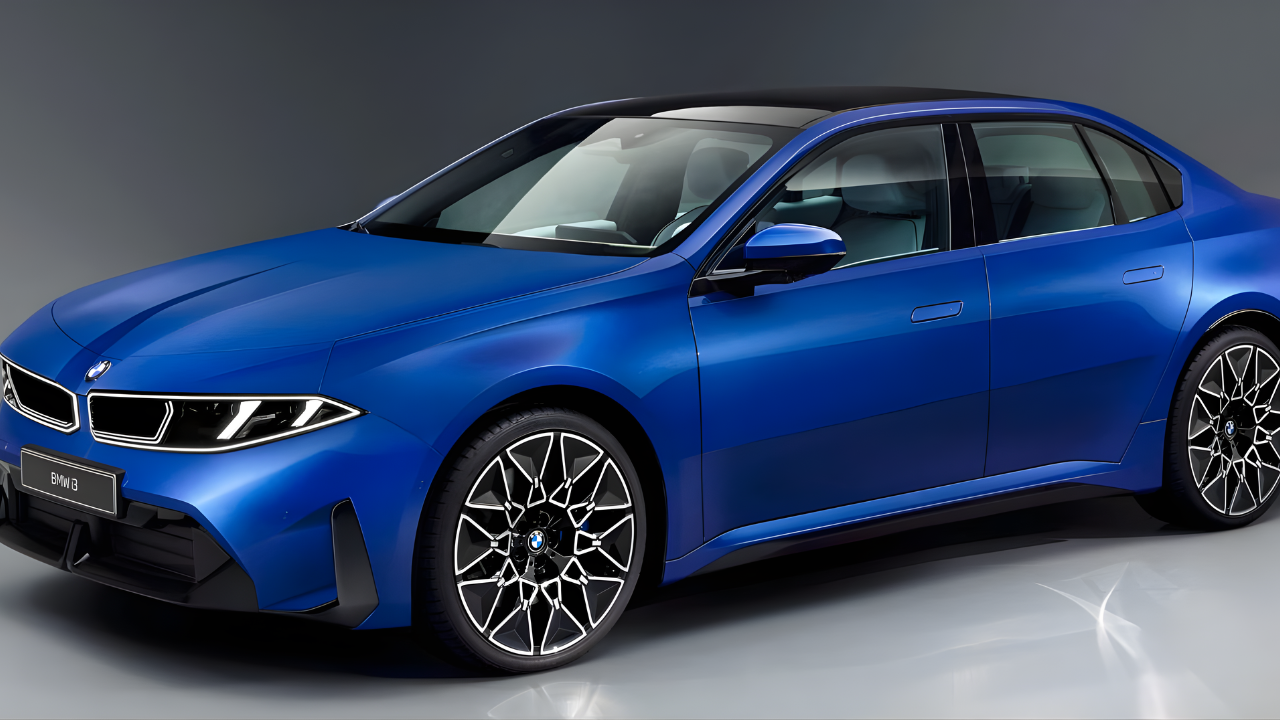
The automotive landscape is undergoing its most radical transformation in a century, and at the heart of this shift is the BMW iM3. As we move through 2026, BMW is bridging the gap between its legendary combustion heritage and a bold, electrified future. Codenamed ZA0, the iM3 is not just an electric version of the current M3; it is a ground-up revolution built on the highly anticipated Neue Klasse architecture. This new platform allows BMW to strip away the limitations of traditional drivetrains, replacing them with a sophisticated quad-motor setup that promises to redefine the “Ultimate Driving Machine” for a zero-emission era. By focusing on chassis rigidity, weight distribution, and lightning-fast software, BMW aims to prove that the soul of an M car lies in its handling and visceral feedback rather than the sound of an exhaust.
Revolutionizing Power: The Quad-Motor Powertrain
Performance enthusiasts have long debated whether an electric vehicle (EV) can truly match the engagement of a twin-turbo inline-six, but the 2026 iM3 provides a compelling answer through sheer engineering brute force. The vehicle features a specialized quad-motor system—one motor for each individual wheel—which grants the car a level of torque vectoring that was previously impossible. Without the need for mechanical differentials, a central “superbrain” known as the Heart of Joy manages power delivery in milliseconds. This system allows the car to pivot from a stable all-wheel-drive configuration to a tail-happy, pure rear-wheel-drive drift mode at the touch of a button. Early reports suggest that the top-tier variants could produce between 800 and 1,000 horsepower, effectively making this the most powerful production M3 in history.
Design and Aerodynamics: A New Visual Language
Visually, the iM3 adopts the minimalist yet aggressive styling cues first seen on the Vision Neue Klasse concept. For 2026, the design has matured into a production-ready form that emphasizes airflow and thermal management. The signature kidney grilles have evolved into wide, digital panels that house various sensors for autonomous driving and advanced safety features. To keep the heavy battery pack from dulling the car’s reflexes, BMW has employed extensive use of lightweight materials, including a new natural-fiber composite roof that comes standard to lower the center of gravity. Aerodynamics are further enhanced by flush door handles and a sculpted underbody, ensuring that the car cuts through the air with minimal drag while still generating the downforce required for high-speed cornering on the Nürburgring.
Range and Charging: Daily Utility Meets Track Readiness
One of the primary concerns for performance EV owners is sustained power and range, but the iM3 addresses this with Gen6 battery technology. This new generation of cylindrical battery cells offers 20% higher energy density and a 30% improvement in range compared to current BMW EVs. With a battery capacity exceeding 100 kWh, the iM3 is expected to offer a driving range of approximately 300 to 350 miles on a full charge, depending on driving habits. More importantly for enthusiasts, the 800-volt architecture allows for ultra-fast DC charging. Drivers can theoretically add 100 miles of range in just 10 minutes at a compatible high-speed station, significantly reducing downtime during road trips or at track events. This dual-purpose nature ensures the iM3 remains a viable daily driver while being capable of back-to-back performance runs.
Release Date and Market Positioning
As of early 2026, BMW has begun rolling out pre-series test vehicles from its Munich plant, signaling that the global debut is imminent. While the standard Neue Klasse i3 sedan is slated for a late 2026 market entry, the high-performance iM3 is expected to follow shortly after, with deliveries likely starting in early 2027. Pricing is anticipated to sit at a premium over the current combustion-powered M3, reflecting the advanced technology and massive performance leap. By offering the iM3 alongside a refreshed internal combustion engine (ICE) variant, BMW is giving its customers the freedom to choose their preferred power source. However, with its groundbreaking quad-motor tech and “Heart of Joy” dynamics, the iM3 is clearly positioned as the flagship for the next generation of performance enthusiasts.
FAQs
Q1 Will there still be a gas-powered BMW M3?
Yes, BMW plans to sell a redesigned internal combustion M3 alongside the electric iM3 for the foreseeable future, catering to those who still prefer a traditional engine.
Q2 Can the iM3 handle track driving without overheating?
BMW has integrated a specialized two-sided cooling system and adapted cell chemistry designed to handle the high electrical currents and thermal stress of intensive track sessions.
Q3 How fast can the 2026 BMW iM3 charge?
Thanks to its 800-volt Neue Klasse architecture, the iM3 can support DC fast charging up to 400kW, allowing it to charge from 10% to 80% in under 20 minutes.