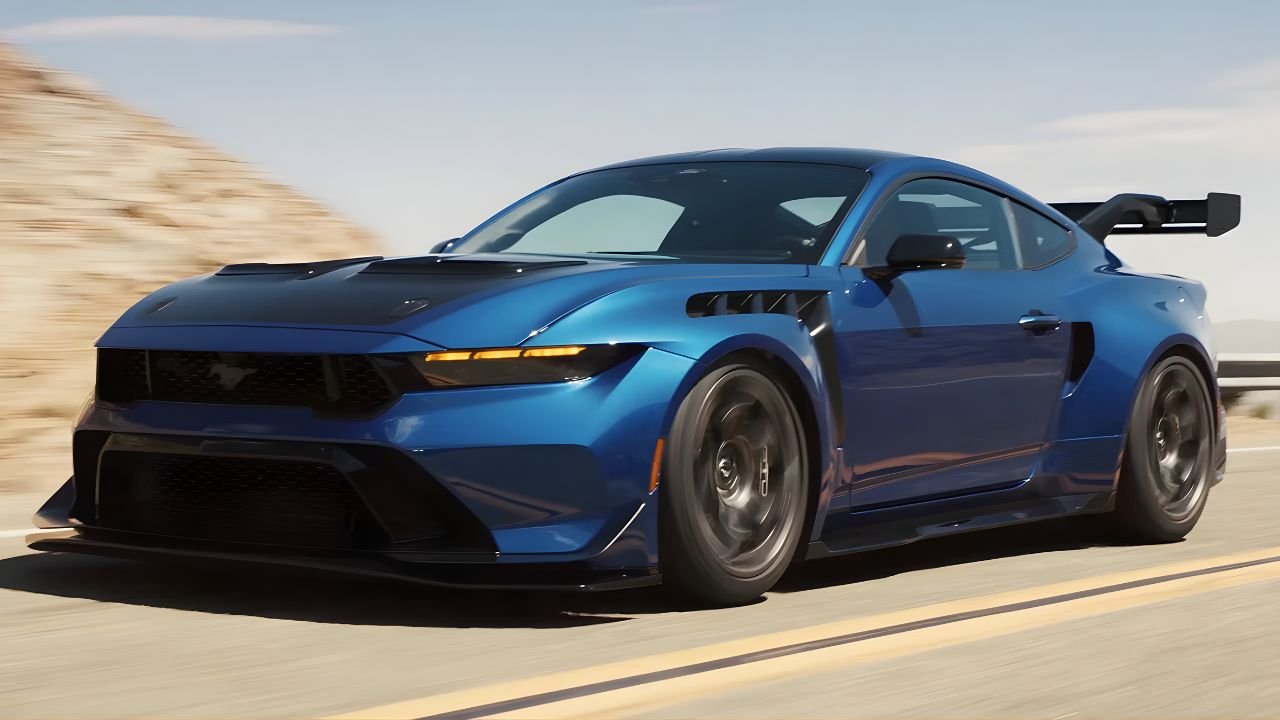
The automotive world has been buzzing with anticipation since Ford hinted at the most radical evolution of its iconic pony car to date: the 2026 Ford Mustang Raptor. While the Mustang has long dominated the asphalt as a premier American muscle car, the Raptor badge signals a shift toward a more versatile, rugged, and aggressive identity. This transition is not merely about aesthetics; it is a fundamental engineering pivot designed to bridge the gap between high-speed track performance and desert-running capability. By integrating the off-road DNA of the F-150 and Bronco Raptor into the S650 platform, Ford is creating a niche vehicle that defies traditional categorization. This breakdown explores how the 2026 Mustang Raptor balances its legendary muscle heritage with modern, all-terrain innovation to offer a driving experience unlike anything currently on the market.
Engineering the Ultimate Off-Road Muscle Car
At the heart of the 2026 Mustang Raptor is a powertrain designed to deliver relentless force regardless of the surface beneath the tires. Most industry insiders and early reports suggest the vehicle will utilize the proven 5.0L Coyote V8 engine, potentially tuned to exceed the 480 horsepower found in the standard GT. For those seeking even more extreme metrics, rumors of a supercharged 5.2L “Raptor R” variant persist, aiming for a staggering 700-plus horsepower. To handle this power in off-road environments, the vehicle is expected to feature a specialized All-Wheel Drive (AWD) system—a first for the Mustang line—optimized for traction on sand, gravel, and mud. This is complemented by a heavy-duty 10-speed automatic transmission calibrated for quick shifts and high-torque demands. The integration of these components ensures that the Raptor does not lose the “soul” of a Mustang while gaining the utility of a trophy truck.
Revolutionary Suspension and Terrain Management
Performance for a Raptor-badged vehicle is defined by its ability to soak up bumps at high speeds. The 2026 Mustang Raptor is slated to feature Fox Live Valve dampers, the same sophisticated technology used in Ford’s dominant off-road pickups. These dampers use electronic sensors to adjust the suspension in real-time, providing a stiff, responsive feel on the highway and a plush, long-travel setup when hitting the trails. Drivers can expect a significant increase in ground clearance—roughly 2.0 to 3.0 inches over a standard Mustang—allowing for larger approach and departure angles. The inclusion of a Terrain Management System with selectable modes like “Baja” and “Rock Crawl” allows the driver to customize throttle response and steering weight, making the car as capable in the dunes as it is on a winding mountain road.
Aggressive Design Language and Functional Aerodynamics
The visual profile of the 2026 Mustang Raptor is a masterclass in functional aggression. It moves away from the sleek, low-slung lines of the Dark Horse and toward a wider, more muscular stance. Key design elements include oversized, bolt-on fender flares to accommodate 33-inch all-terrain tires and a vented hood designed to pull heat from the high-output engine. The front fascia has been redesigned with a more durable grille and integrated skid plates to protect the underbody from debris. Despite these rugged additions, Ford engineers have prioritized aerodynamics to ensure the car remains stable at high speeds. Inside, the cabin retains the premium digital experience of the S650, featuring a 13.2-inch SYNC 4 touchscreen, but adds Raptor-specific touches like easy-to-clean floor liners, auxiliary switches for aftermarket lights, and reinforced sport seats with “Raptor” embroidery.
Market Position and the Future of the Mustang Brand
The introduction of the Mustang Raptor represents a bold strategic move by Ford to future-proof its most famous nameplate. In an era where enthusiasts are increasingly looking for vehicles that can “do it all,” the Raptor offers a unique value proposition: the prestige of a muscle car with the versatility of a modern SUV. While pricing is expected to start significantly higher than the standard GT—likely in the $75,000 to $90,000 range—the vehicle targets a demographic that values exclusivity and multi-surface capability. By expanding the Mustang family to include an off-road beast, Ford is not just following a trend but creating a new segment entirely. This vehicle proves that the Mustang is no longer just a “pony” car; it has evolved into a versatile platform capable of conquering any environment it encounters.
FAQs
Q1 Will the 2026 Mustang Raptor be street-legal?
Yes, the 2026 Mustang Raptor is designed to be fully street-legal, meeting all safety and emissions standards while offering specialized hardware for off-road use.
Q2 What is the expected release date for the Mustang Raptor?
While Ford has not provided a specific day, industry experts anticipate the vehicle will debut in late 2025 or early 2026 as part of the 2026 model year lineup.
Q3 Does it come with a manual transmission?
Current reports indicate the Raptor will likely be offered exclusively with a 10-speed automatic transmission to better manage the complex requirements of the All-Wheel Drive system and off-road drive modes.